Trade Dispute Mechanisms
Dissecting the procedural evolution of the World Trade Organization, the Multi-Party Interim Appeal Arbitration Arrangement (MPIA), and investor-state dispute settlement (ISDS) reforms.
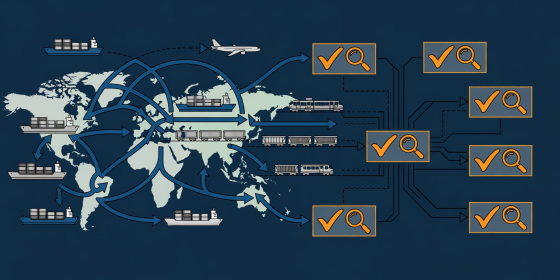
The Impasse and Reconstruction of the WTO Appellate Body
The Dispute Settlement Mechanism (DSM) of the World Trade Organization was once heralded as the crown jewel of international economic adjudication, handling over 600 official disputes since 1995. However, chronic appointments gridlocks regarding the seven-member Appellate Body stalled formal final-instance resolutions, precipitating appeals "into the void."
In response, pragmatic sovereign blocs engineered the Multi-Party Interim Appeal Arbitration Arrangement (MPIA). Under Article 25 of the WTO Dispute Settlement Understanding, participating signatories—including the European Union, Canada, Brazil, Japan, and Singapore—agreed to voluntary interim arbitration processes. This pragmatic workaround preserves binding appellate review among willing states, showcasing how institutional flexibility can sustain multilateral stability when global consensus stalls.
Investor-State Dispute Settlement (ISDS) Reform
Simultaneously, the framework governing Investor-State Dispute Settlement (ISDS) embedded within bilateral investment treaties (BITs) has undergone substantial scrutiny under the United Nations Commission on International Trade Law (UNCITRAL) Working Group III. Traditional ad-hoc arbitral panels faced persistent criticism concerning transparency, regulatory chill, and lack of appellate consistency.
Reformers are championing permanent multilateral investment court models featuring standing judges, stringent conflict-of-interest statutes, and transparent public dockets. This evolution balances sovereign regulatory freedom—specifically regarding environmental regulations and public health policies—against the essential protection of foreign capital assets.
| Mechanism | Governing Instrument | Enforcement Vector |
|---|---|---|
| WTO DSM Standard | Dispute Settlement Understanding (DSU) | Authorized tariff suspensions (Retaliation) |
| MPIA Framework | Article 25 DSU Ad-Hoc Accord | Mutual signatory consent awards |
| ICSID Convention | Washington Convention (1965) | Treaty execution as domestic high court judgment |
Supply Chain Security Exceptions: Article XXI
A decisive contemporary battleground centers on Article XXI of the General Agreement on Tariffs and Trade (GATT 1994)—the national security exception. Long regarded as self-judging, sovereign nations increasingly invoke Article XXI to validate semiconductor export quotas, raw critical mineral controls, and industrial subsidies. Clarifying the objective legal boundaries between legitimate national defense security and clandestine protectionism remains one of international trade law's primary structural challenges.